
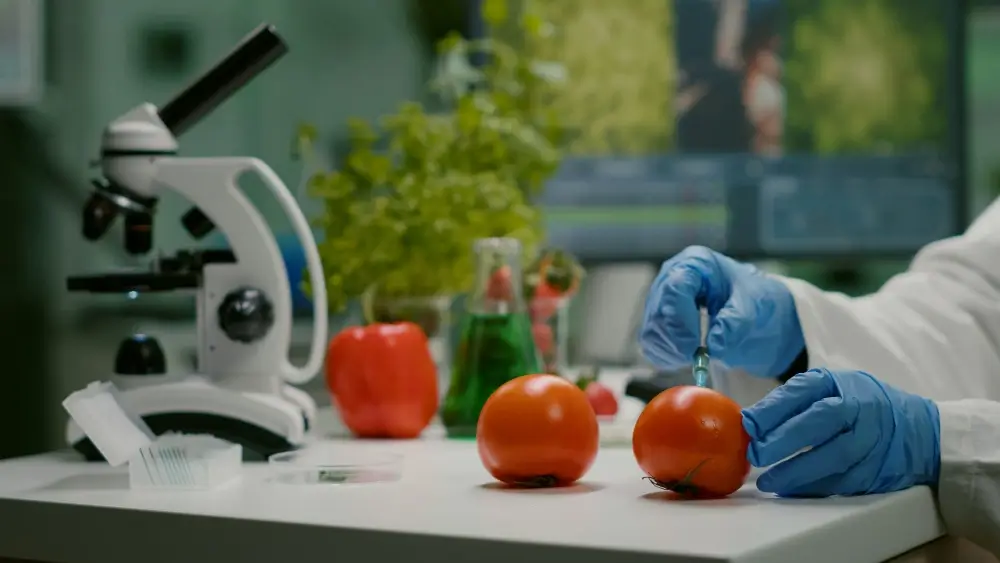
Keeping food fresh and safe for a longer time is a major challenge for the food industry. Food products can lose quality due to microorganisms, insects, and spoilage during storage and transportation. This can lead to food waste and financial losses for businesses.
To overcome these challenges, the industry is adopting more effective preservation methods. One such method is food preservation by radiation, which helps improve food safety and extend shelf life without causing significant changes to the food itself.
As food safety standards continue to rise, irradiation food preservation is becoming a preferred choice for many food processors and exporters. From spices and grains to fruits and vegetables, this method is helping businesses preserve product quality while reducing losses across the supply chain.
In this blog, we will look at how the irradiation method of food preservation works and why its use is growing across the food industry.
Understanding Food Preservation by Radiation
Many people are familiar with methods such as refrigeration, drying, or canning. However, food preservation by radiation is another proven method for keeping food safe and fresh for longer periods.
During this procedure, food is subjected to controlled levels of radiation. This technique will help minimize pathogens, micro-organisms, and insects that may be detrimental to the quality of the food. This process can also help retard processes like ripening in some types of food.
A common concern is whether irradiated food becomes radioactive. The answer is no. The treatment only passes energy through the food to improve safety and preservation. The food itself does not become radioactive after the process.
Because of its effectiveness, irradiation for food preservation is widely used for a variety of food products, including spices, fruits, vegetables, grains, and other agricultural commodities.
Why Traditional Food Preservation Methods Have Limitations
Traditional preservation methods continue to play an important role in the food industry. However, they may not always provide the level of protection needed for modern food supply chains.
Some common challenges include:
- Dependence on Cold Storage
Many food products require refrigeration during storage and transport. Any interruption in the cold chain can affect product quality and shelf life.
- Use of Chemical Treatments
Certain preservation methods rely on chemicals to control pests and contamination. Growing concerns about chemical residues have increased the demand for alternative solutions.
- Limited Protection Against Microorganisms
Some preservation techniques may not effectively reduce all harmful microorganisms, especially in products such as spices, herbs, and dried foods.
- Increased Food Waste
Food spoilage during storage and transportation remains a major concern for producers, distributors, and exporters.
These challenges have encouraged the industry to explore solutions such as radiation food preservation, which can improve food safety and help maintain product quality throughout the supply chain.
Key Benefits of Irradiation for Food Preservation
The growing use of irradiation food preservation is largely driven by the practical benefits it offers to food processors, exporters, and consumers. It helps improve food safety while supporting longer storage and distribution periods.
- Longer Shelf Life
Food products can remain fresh for longer because the process slows the spoilage caused by microorganisms and other biological factors. This is especially useful for products that travel long distances before reaching consumers.
- Improved Food Safety
The treatment helps reduce harmful bacteria and other microorganisms that may be present in food. This makes products safer for consumption and supports food safety standards.
- Better Protection Against Insects and Pests
With irradiation, pests such as insects can be controlled within the grain, spices, and other agricultural produce without using many chemicals.
- Reduced Food Waste
By extending shelf life and reducing spoilage, irradiation for food preservation helps lower food losses during storage, transportation, and distribution.
- Maintains Product Quality
When applied correctly, the process helps preserve the natural characteristics of food, making it an effective option for a wide range of products.
Food Products Commonly Preserved Through Irradiation
The irradiation method of food preservation is used across different segments of the food industry. Its flexibility makes it suitable for both domestic consumption and export markets.
- Spices and Herbs
Spices are among the most commonly irradiated food products. The process helps reduce microbial contamination while maintaining product quality.
- Fruits and Vegetables
Many fruits and vegetables benefit from irradiation because it can slow spoilage and help maintain freshness during transportation and storage.
- Cereals, Grains, and Pulses
Irradiation helps protect stored agricultural products from insect infestation and quality deterioration.
- Dehydrated Food Products
Dried vegetables, herbs, and similar products can be treated to improve safety and extend their usable life.
- Export-Oriented Agricultural Produce
Many exporting businesses use food preservation by radiation to meet international quality requirements and reduce losses during long-distance shipment.
Why the Food Industry Is Increasingly Adopting Irradiation Technology
The food industry must keep producing safe, good-quality food, cut waste, and stay efficient. This is one of the main reasons why irradiation food preservation is gaining wider acceptance across different sectors.
Several factors are contributing to this growth:
- Rising Food Safety Expectations
Consumers and regulatory authorities are placing greater importance on food safety. Businesses are using methods to keep products safe and reliable.
- Growth in Food Exports
Many food products travel across countries and continents before reaching consumers. Food preservation by radiation helps maintain quality during transit and supports export requirements for various agricultural products.
- Need to Reduce Post-Harvest Losses
A significant amount of food is lost between harvesting and consumption. By extending shelf life and controlling spoilage, irradiation helps businesses reduce these losses.
- Expanding Distribution Networks
Food products are now distributed through larger and more complex supply chains. Longer storage and transportation periods have increased the need for effective preservation solutions.
As these industry demands continue to grow, irradiation for food preservation is becoming an important tool for food processors, exporters, and suppliers.
The Future of Food Irradiation in Modern Food Processing
The demand for safe and long-lasting food products is expected to increase in the coming years. As a result, food irradiation is likely to play an even bigger role in food processing and preservation.
One of the key reasons is the growing focus on reducing food waste. Businesses want simple ways to keep food fresh and reduce waste during storage and shipping.
Another factor is the increasing awareness of food safety. As more people learn about the benefits of the irradiation method of food preservation, acceptance of this technology continues to improve.
The technology is also supporting the expansion of global food trade. Food producers can confidently transport products over longer distances while maintaining quality and meeting safety requirements.
With its ability to improve safety, extend shelf life, and support efficient food distribution, radiation food preservation is expected to remain an important part of the modern food industry for years to come.
Supporting the Future of Safe Food Preservation
As the food industry continues to focus on safety, quality, and reducing waste, preservation technologies will play an increasingly important role. Food preservation by radiation offers a practical solution for extending shelf life, protecting food products, and supporting modern supply chains without compromising quality.
At Symec Engineers, we have been advancing food irradiation technology through reliable, efficient solutions. Our experience with food irradiation systems helps food processors, exporters, and farmers find good ways to preserve food.
We understand that every food product has unique preservation requirements. That’s why we focus on offering solutions to improve food safety, reduce post-harvest losses, and address the growing needs of the food industry.
As the adoption of irradiation food preservation continues to grow, we remain committed to helping businesses preserve food more effectively while supporting safer and more sustainable food distribution.