
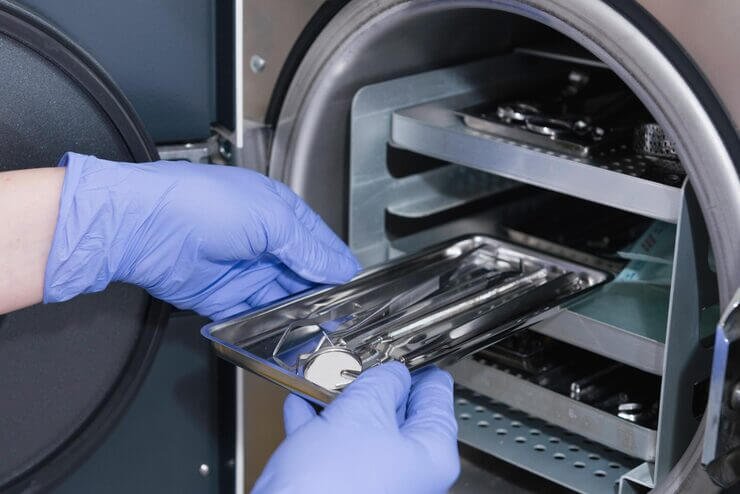
Surgical instruments must be completely sterile to protect patients, and understanding how medical sterilization with irradiation technology works can ensure safety and reliability.
In healthcare, the safety of patients depends on the cleanliness of surgical instruments and medical devices. Any contamination can lead to serious infections and complications. This makes medical sterilization a critical step in hospitals, clinics, and laboratories.
Among the various methods, irradiation technology has emerged as a reliable and efficient solution. It ensures thorough sterilization without leaving harmful residues, making it ideal for delicate surgical instruments and sensitive healthcare devices.
Learning how sterilization of surgical instruments works helps doctors, nurses, and hospital staff keep patients safe. It also helps hospitals choose the best method for each type of medical tool, saving time, and reducing risks.
What is Medical Sterilization?
Medical sterilization is the process of removing or killing all germs, bacteria, viruses, and other harmful microorganisms from medical tools and devices. It ensures that surgical instruments and healthcare equipment are completely safe for use.
Key points about medical sterilization:
- Purpose: Protect patients from infections and complications.
- Scope: Applies to surgical instruments, healthcare devices, lab tools, and other medical equipment.
- Methods: Includes heat, chemicals, and irradiation technology.
- Outcome: Instruments are safe to use and meet healthcare safety standards.
Why it matters:
- Infections from unsterilized tools can be life-threatening.
- Hospitals must maintain strict sterilization protocols to comply with safety and legal standards.
Methods of Sterilization for Surgical Instruments
Sterilizing surgical instruments is crucial to prevent infections. Hospitals and clinics use different methods depending on the type of instrument and its material. Each method has its benefits and limitations.
| Method | How it Works | Key Benefits |
| Autoclaving (Steam Sterilization) | Uses high-pressure steam to kill all germs | Fast, widely used, effective for most metal instruments |
| Chemical Sterilization | Uses disinfectants or chemical solutions | Useful for heat-sensitive instruments, leaves no residue if done correctly |
| Irradiation Technology | Exposes instruments to gamma rays or other radiation | Penetrates packaging, kills all microorganisms, no chemical residue |
| Dry Heat Sterilization | Uses hot air ovens at high temperature | Good for instruments that may corrode with steam |
| Gas Sterilization (Ethylene Oxide) | Uses toxic gas to sterilize instruments | Ideal for complex or delicate devices, effective at low temperatures |
Different methods are chosen based on the instrument’s material, size, and sensitivity. Irradiation technology has become popular for delicate and high-precision instruments because it sterilizes without damaging the tool. Hospitals often combine methods to ensure maximum safety and compliance with healthcare standards.
How Irradiation Technology Works
Irradiation technology is a modern and reliable method to sterilize surgical instruments and healthcare devices. It uses gamma rays or other radiation to kill all germs without damaging the instruments. The process is precise, safe, and effective for sensitive medical tools.
Step-by-Step Process of Irradiation Technology
- Preparation of Instruments
- Instruments are cleaned, dried, and packed in sterile packaging.
- Proper handling ensures no contamination before irradiation.
- Exposure to Radiation
- Gamma rays or other radiation pass through the instruments.
- The radiation destroys all bacteria, viruses, and other microorganisms.
- Quality Testing
- Instruments are checked to confirm sterilization.
- Any faulty or improperly sterilized tools are reprocessed.
- Final Storage and Distribution
- Sterilized instruments are stored safely until use.
- They remain free from contamination during transport or storage.
Why it matters:
- The process penetrates packaging and reaches hard-to-clean areas.
- It leaves no chemical residue, making it safe for patients.
- It is faster and more reliable for delicate surgical tools than some traditional methods.
Role of Symec Engineers in Medical Sterilization
Ensuring safe and efficient medical sterilization requires experience, innovation, and technical expertise. Symec Engineers has been a pioneer in developing advanced sterilization solutions since 1992, specializing in irradiation technology and automation systems for healthcare devices.
Expertise and Experience
- Founded by Mr. Kadaba Champak Vas, a mechanical engineer and former BARC scientist.
- Over 30 years of experience in designing and implementing gamma irradiation plants in India and abroad.
- Developed specialized machinery for precise and high-quality sterilization of medical instruments.
Key Capabilities
- Advanced irradiation technology for surgical instruments and healthcare devices.
- Automated systems ensuring uniform sterilization and minimal human error.
- Comprehensive process including design, testing, assembly, and on-site commissioning.
Commitment to Quality and Safety
- Dedicated staff of engineers and technical personnel focused on innovative solutions.
- Adherence to strict quality standards to maintain reliability and patient safety.
- Ongoing support and maintenance for sterilization systems to ensure long-term efficiency.
Impact: Hospitals and healthcare facilities benefit from safe, reliable, and efficient sterilization processes. Partnering with Symec Engineers brings decades of expertise and advanced technology to ensure instruments meet the highest safety standards.
Best Practices for Sterilization of Surgical Instruments
Proper sterilization of surgical instruments is essential for patient safety and hospital efficiency. Following best practices ensures that all tools are free from harmful germs and meet healthcare standards. Hospitals and clinics can prevent infections by adopting structured procedures.
Key Best Practices
Clean Before Sterilization
- Remove blood, tissue, and debris from instruments before any sterilization process.
- Proper cleaning ensures the sterilization method works effectively.
Use Appropriate Sterilization Method
- Choose the method based on instrument type, material, and sensitivity.
- Irradiation technology is ideal for delicate and high-precision instruments.
Maintain Sterilization Equipment
- Regularly inspect and service autoclaves, chemical baths, and irradiation systems.
- Well-maintained equipment ensures consistent results and prevents failures.
Store Sterilized Instruments Properly
- Keep instruments in sterile packaging until use.
- Avoid contamination during storage and transport.
Document and Track Sterilization
- Maintain logs of sterilization cycles, dates, and responsible personnel.
- Tracking ensures accountability and compliance with healthcare standards.
Following these practices protects patients and improves operational efficiency. Hospitals benefit when instruments are sterilized reliably, reducing risks and ensuring readiness for procedures. Proper sterilization also supports compliance with healthcare regulations and enhances overall safety.
Ensuring Sterility with Advanced Technology
Effective medical sterilization is essential for patient safety and infection prevention. Hospitals and healthcare facilities must ensure every surgical instrument and medical device is free from harmful germs. Advanced methods, including irradiation technology, make sterilization precise, reliable, and safe.
Partnering with experts brings decades of experience, innovative solutions, and proven results. SymecEngineers has been providing high-quality sterilization systems since 1992, developing gamma irradiation plants and automated processes that meet global standards. Their expertise ensures instruments are sterilized efficiently and comply with strict healthcare safety requirements.
Healthcare facilities that adopt these practices see tangible benefits. They reduce the risk of infections, improve operational efficiency, and ensure instruments are always ready for use. With proper sterilization, staff can focus on patient care, knowing the equipment is safe and reliable.